


If you’re here, you’re probably asking yourself a quiet question:
Not just how do we elope? But how do we do this in a way that feels like us?
Elopements have changed. They’re no longer rushed courthouse moments or backup plans. For many couples, they’re intentional, deeply personal choices. And yet, even when the decision feels right, the planning can still feel heavy. There are still decisions. Still logistics. Still the fear of missing something important.
So let’s slow this down.
If you’re wondering how to plan an elopement without losing the meaning in the process, this is for you.
How to Plan an Elopement Without the Overwhelm
The first thing I tell couples when they ask how to plan an elopement is this: You do not need to figure everything out at once. Elopements feel simpler because they are. But simple does not mean thoughtless. And thoughtful does not mean complicated.
Start here instead before you look at locations, hire vendors, or compare timelines.
Ask yourselves one question:
“How do we want this to feel?”
Calm?
Adventurous?
Private?
Sacred?
Playful?
This becomes your foundation. Everything else grows from that. When you begin with feeling instead of logistics, intentional elopement planning becomes clearer and far less overwhelming.
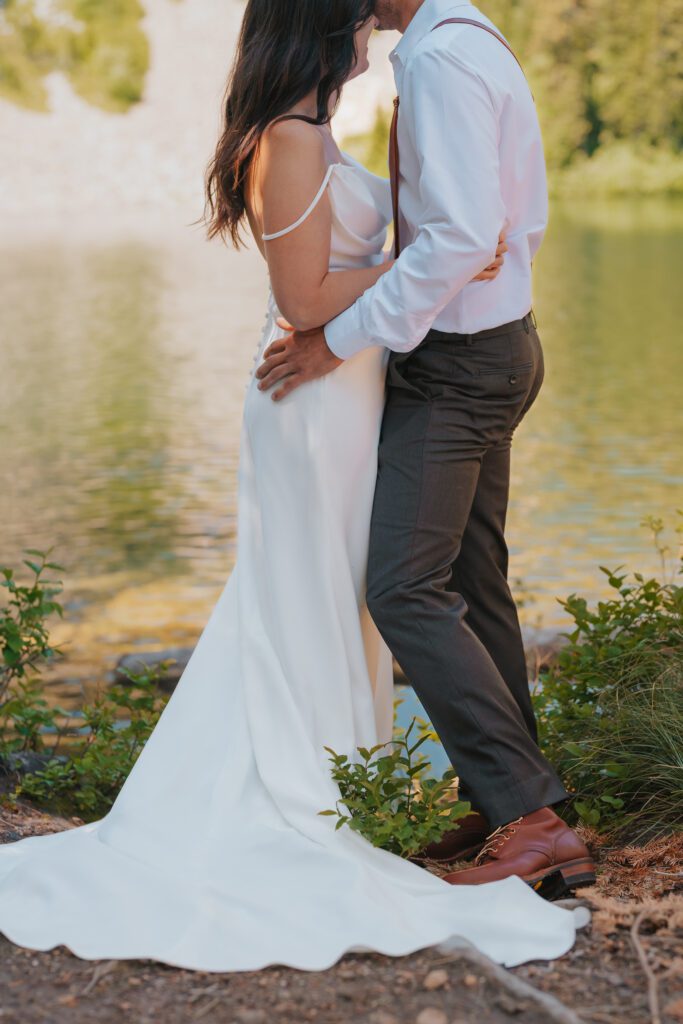
Step One: Define What “Meaningful” Means to You
There are endless meaningful elopement ideas online. Mountain peaks. Coastal cliffs. City rooftops at sunset. But meaningful is not aesthetic. Meaningful is personal.
Maybe it’s hiking at sunrise because you’ve always felt most connected outdoors. Maybe it’s saying your vows in your backyard because that’s where you built your first home together. Maybe it’s inviting just your parents because family legacy matters deeply to you. When couples feel overwhelmed, it’s often because they’re trying to measure their day against what they see on Pinterest instead of what feels aligned.
Meaning does not need to be dramatic. It just needs to be honest.
Set aside an evening to sit down together and each write out three to five of your favorite memories. Not the most impressive ones. The ones that felt the most you. Then look for the thread that runs through them.
Was it adventure? Quiet connection? Laughter? Slowness? A sense of being fully yourselves?
Those patterns matter. They tell you far more about how your day should feel than any inspiration board ever could. And it will give you ideas of how you can tie meaningful memories into your special day.
And as a bonus, it doubles as a sweet, simple date night where you get to pause and remember how this all began.
Step Two: Choose a Location That Supports the Experience
When people search how to plan an elopement, location is usually one of the first things that comes up.
And yes, it matters even if it’s just you two that day. Location shapes how the entire day unfolds!
Ask yourselves:
Do you want quiet and remote?
Accessible and relaxed?
Wild and adventurous?
Familiar and grounding?
If you’re considering a national park or protected land, you’ll want to check permit requirements through official resources like the National Park Service website, which outlines specific elopement guidelines by location. This is where practical planning meets intention. The right setting should make you exhale and get giddy with excitement, not feel forced. Don’t do it for the ‘gram, do it for you two and what is meaningful to your love story.
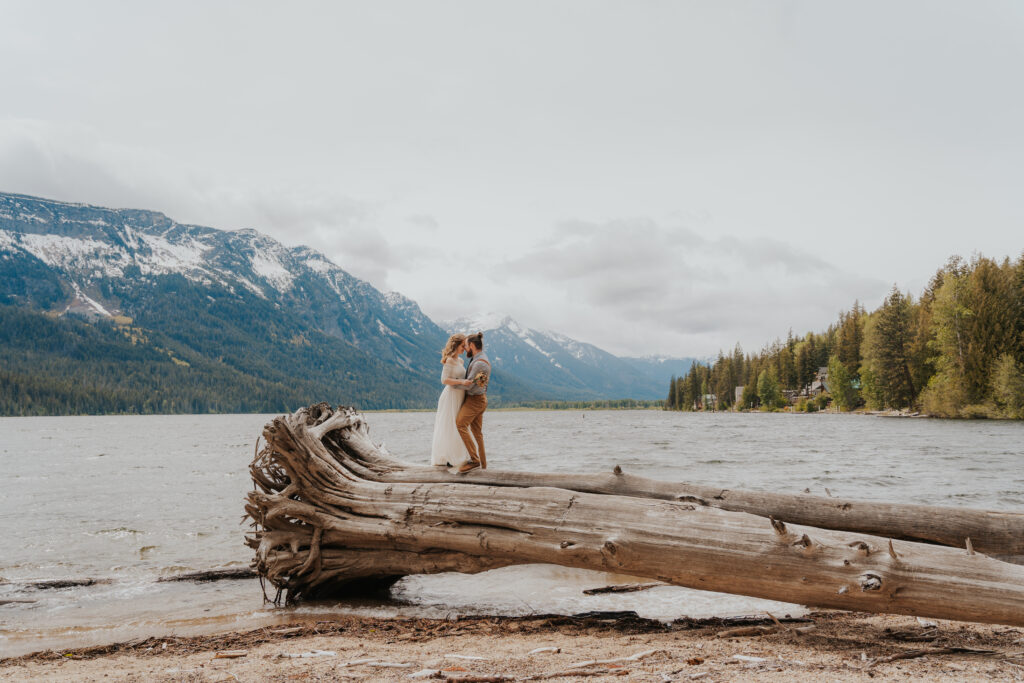
Step Three: Build a Timeline That Feels Spacious
One of the most common stress points during elopement planning is time. Couples often worry about fitting everything in… From available light for those romantic portraits, the travel, and most importantly, having enough time to simply be together. But, here’s the real truth. Elopements allow for something traditional weddings rarely do: space to move slowly, pivot, and breathe. This is a day you want to soak in, not stress out.
@Kara Weech I’m confused by the first sentence here and how it ends with “light, travel, getting right”
When I walk couples through intentional elopement planning, we build timelines around energy, not just light. Maybe you exchange private vows at sunrise. Maybe you hike somewhere quiet before sunset portraits. You don’t need a packed schedule, just a day that unfolds naturally and focuses on what it’s all about: you two, the love between each other, and the life you’re building together.
Relaxed example timeline (not an exact formula):
8:00 AM – Slow Morning Togetherat at cute, local Airbnb
Coffee, quiet music, reading over & tweaking vows one more time. No rushing, just waking up with nothing but excitement for the day ahead.
9:00 AM – Getting Ready
Taking your time. Helping each other with final touches before the big reveal. Enjoying time with a few loved ones if they are apart of this portion of your day.
11:00 AM – Private Vows
Somewhere private with no audience. Just the two of you seeing each other fully, professing the depths of your love without distraction.
12:00 PM – Ceremony
A quiet spot with just you two, or with your close loved ones. A relaxed ceremony centered around your connection & journey together.
1:00 PM – Brunch or Picnic
Something simple and meaningful. Your favorite pastries, or a bottle you’ve been saving. Maybe sitting on a patio at a cute bistro. Time to sit and breathe.
2:00 PM – Exploring or Adventuring
A short hike. A walk through the city. A drive to a second location or activity that feels like you.
6:00 PM – Dinner or Celebration
Maybe a private chef. Maybe takeout in your Airbnb. Maybe meeting family for an intimate dinner.
8:00 PM – Sunset Portraits
Letting the day slow again with soft, golden light. Movement and direction first, with light posing. Space to just be together.
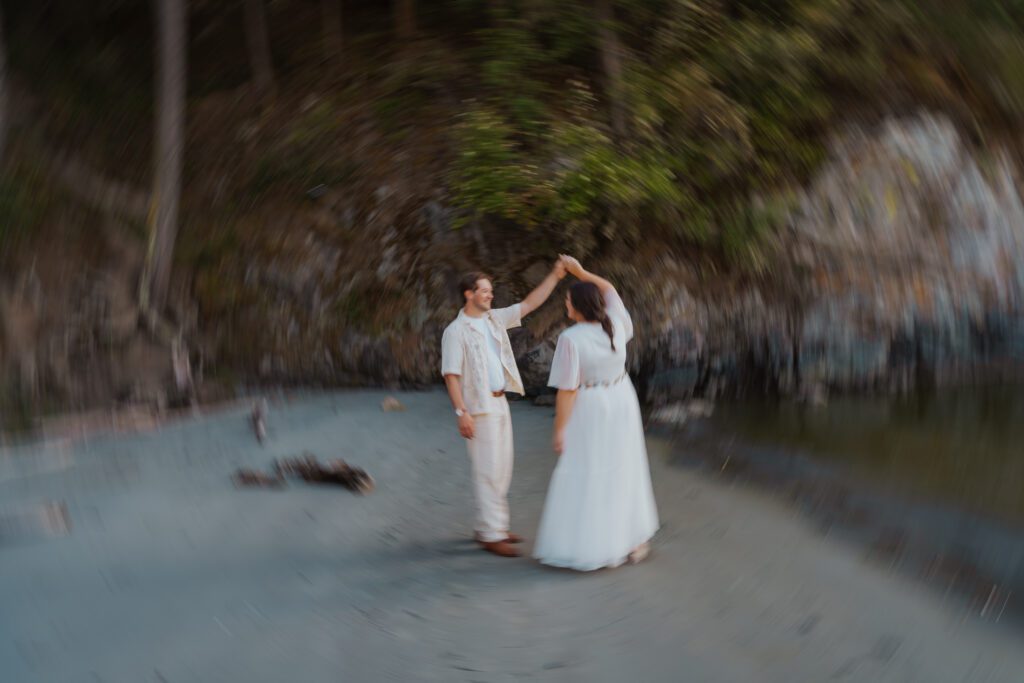
Night – First Dance Under the Stars
Winding down and reflecting on the perfect day. No rush. No stress to clean up a venue before a certain time. Just a moment that feels like yours.
Step Four: Decide Who (If Anyone) Is Part of It
This can be the most emotionally layered part of learning how to plan an elopement. Elopements are intimate by design. But intimate does not have to mean alone. Some couples invite immediate family only. Some bring one close friend. Some include no one at all. There is no correct number.
If you’re feeling tension around this decision, try reframing it.
Instead of asking, “Who will be upset?”
Ask, “Who feels essential to this moment?”
You can honor family and tradition in ways that extend beyond attendance like…
- Letters
- Post-elopement celebrations
- Shared meals later
Meaning is not limited to a guest count.
Step Five: Keep the Details Simple and Intentional
This is where meaningful elopement ideas come alive in small ways. Go back to that date night idea I mentioned earlier to help brainstorm ideas from your favorite memories together so you can create a day full of meaning.
- Florals that reflect the season.
- A handwritten vow book.
- A favorite bottle of wine.
- Music played softly through a portable speaker.
- A first dance under open sky.
- You do not need elaborate décor.
- You need elements that feel rooted in you.
When couples focus on intention over excess, overwhelm fades naturally. Not perfection, but presence.

Step Six: Work With Vendors Who Feel Calm
Elopements may be smaller, but the people you invite into the process still matter deeply. In many ways, they matter even more. When the guest list is short, every presence carries weight. The energy around you becomes part of the experience.
Do you feel steady reading their words? Do you feel understood, even before you’ve spoken? Can you imagine spending hours with them in quiet, vulnerable moments and feeling comfortable?
Because on a day this personal, you’re not just hiring someone to document it. You’re inviting them into something intimate. They will be near you when you’re nervous. When you’re emotional. When you’re fully present. The right support feels calm, attentive without hovering, and confident without overpowering. You should feel guided, not directed. Cared for, not managed.
When you find someone who makes you exhale instead of brace, that’s usually a good sign. Always get on a discovery call before you book so you can get a vibe check! And always, always trust your gut.
Step Seven: Prepare for Flexibility
Even the most intentional elopement planning includes uncertainty. Weather shifts, light evolves in ways you can’t fully predict, travel plans can change. All the unknowns out of your control can feel a bit unsettling. When you care deeply about something, you want it to unfold exactly as you imagined. You picture golden light. Clear skies. Still air. Everything aligning perfectly.
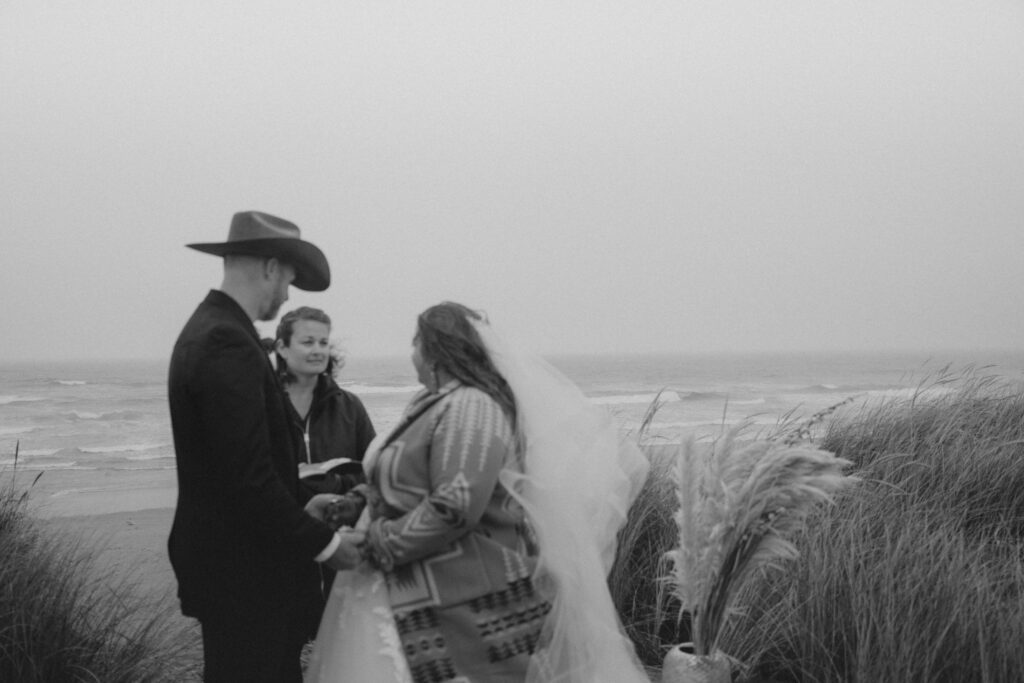
But here’s what I’ve seen, over and over again. The key difference isn’t the forecast, it’s the mindset. When you build your day around meaning instead of performance, flexibility becomes easier. If the sky turns soft and gray, it doesn’t feel ruined. It feels quiet. Intimate. Almost cinematic. If the wind picks up, it doesn’t feel like a disruption. It feels alive. Movement in your dress. Laughter through hair streaking across your face. A reminder that you’re outside, together, in something real. If timelines shift slightly, you’re not scrambling. You’re adjusting gently, because the goal was never perfection. It was presence.
This is one of the quiet gifts of eloping. There’s less to control, orchestrate, and protect. And that space allows you to experience the day as it actually unfolds, not as something you’re trying to manage. It invites presence over perfection, and often, those unscripted moments become the ones you remember most.
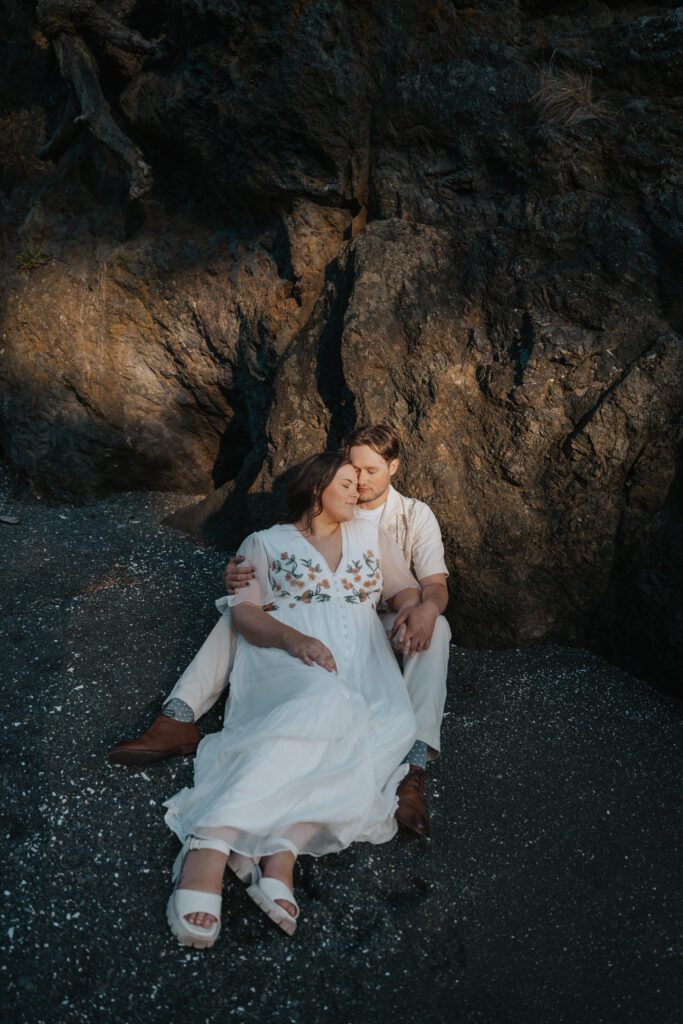
What Most People Get Wrong About How to Plan an Elopement
Many people assume that choosing to elope means the day will be effortless. That once the guest list shrinks, the stress disappears with it. But simplicity doesn’t mean thoughtless, it just means your energy is directed differently. You’re still making decisions and shaping a day that matters. The difference is that your thoughtfulness is focused on what feels true to you rather than on logistics that exist to serve a crowd. You’re not coordinating seating charts or navigating layers of expectation. You’re not performing for a room full of people or trying to meet traditions that don’t fully resonate.
Instead, your questions become quieter and more meaningful. Does this feel aligned with who we are? Does this feel grounded in what matters most to us? When we look back years from now, will we remember how it felt to stand there together? That shift in focus is what transforms elopement planning from something overwhelming into something intentional. Not smaller. Just clearer.
A Final Reminder
If you’re in the early stages of figuring out how to plan an elopement, it’s completely okay if you don’t have every detail mapped out yet. This is new. It’s meaningful. Of course it feels layered.
You’re not behind. You’re not missing some invisible checklist. You’re simply at the beginning of something that deserves care. Let yourself start with feeling instead of answers. Let yourself choose slowly and intentionally, trusting that clarity often comes from reflection rather than urgency. Build the day piece by piece, allowing space between decisions so they feel grounded instead of reactive.
There is no prize for rushing through this. The most meaningful elopements aren’t the ones that look the most dramatic in photos or follow the boldest trends. They’re the ones where couples felt present in their own story. The ones where they moved through the day without performing, without bracing, without trying to make it impressive. They felt steady. They felt connected. And years later, that feeling is what lingers. No trend can replace that.
If you’re beginning to plan and want guidance that feels calm and thoughtful from start to finish, I would love to connect, and have a conversation about what feels right for you.









View comments
+ Leave a comment